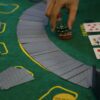
Discover 7 smart blackjack strategies that can lower the house edge and help improve decisions at the table.
Top 7 blackjack strategies that can boost your winning odds

A single card can swing a blackjack hand from calm to chaos in seconds. Ever wondered why some players seem steady while others burn through chips fast? The answer often lies in smart blackjack strategies, not luck alone. Blackjack looks simple on the surface, yet every decision quietly shifts the odds.
That is what makes the game so fascinating. It is one of the few casino classics where skill can trim the house edge. A surprising fact: using the right moves consistently can lower that edge to around 0.5% in many standard games. That does not promise wins, but it changes the battle.
1. Start with basic blackjack strategies
If one rule matters most, it is this: learn basic strategy before trying anything fancy. Basic strategy is a chart built from math, not gut feeling. It tells players when to hit, stand, double down, or split based on the dealer’s upcard.
Some still say, “Going with instinct feels better.” It often feels better right before a costly mistake. Basic play removes emotion from the table and replaces it with probability. That shift alone can save a bankroll over time.
2. Pick tables with favorable rules
Not all blackjack games are equally friendly. Two tables may look identical, but one can quietly carry much worse odds. Rules matter more than many beginners expect.
Look for games that pay 3:2 on a natural blackjack rather than 6:5. That small difference hits returns hard. Fewer decks, dealer stands on soft 17, and the option to double after splitting are also valuable. Sometimes the smartest move happens before the first card is dealt.
3. Never take insurance
Insurance sounds protective, but it is usually a trap. When the dealer shows an ace, the side bet invites players to guard against blackjack. It feels safe. In reality, it generally carries poor value.
Unless card counting enters the picture, insurance tends to drain money over time. This is one of blackjack’s odd twists: the bet with the safest name is often the least safe for a bankroll. Many experienced players skip it without hesitation.
4. Manage your bankroll like a strategist
Even excellent blackjack strategies can collapse under reckless betting. A player may make perfect decisions and still lose several hands in a row. That is variance doing its job.
Set a session budget before sitting down. Divide it into smaller units and keep each wager consistent. Chasing losses usually turns a bad run into a worse story. Calm bankroll management keeps decisions clear when pressure rises.
A simple rule helps: never bet money that would hurt to lose. Blackjack should feel controlled, not desperate. Once emotion enters the wallet, logic tends to leave the table.
5. Use doubling and splitting at the right moments
Doubling down and splitting pairs can be powerful, but only when timing is correct. These options are not there for excitement. They are there to press an advantage.
Doubling on 11 against a weak dealer card is often strong. Splitting aces and eights is another classic move. On the other hand, splitting tens may look bold, but it usually breaks a very strong hand. Good blackjack strategies rely on discipline, not dramatic gestures.
This is where many players slip. A hand that “looks lucky” can still be mathematically wrong. Blackjack rewards precision more than flair.
6. Avoid side bets and flashy distractions
Modern online blackjack tables often come with colorful extras. Perfect pairs, 21+3, and other side bets can seem irresistible. The graphics sparkle, the payouts look huge, and temptation does the rest.
Yet these bets usually carry a much higher house edge than the main game. They are designed to entertain, not to improve long-term results. That does not make them evil, just expensive. Players focused on winning odds should treat them with caution.
There is a useful mindset here: boring often means better. Quiet, disciplined play rarely grabs attention, but it tends to preserve chips far longer.
7. Know when to stop
This strategy gets less attention than it deserves. Walking away is part of winning discipline. A strong session can unravel when confidence becomes overconfidence. A losing streak can deepen when frustration starts calling the shots.
Set clear win goals and loss limits before play begins. If either number is reached, stop. No negotiation, no “just one more hand.” That rule may sound dull, but it protects both bankroll and focus.
Strangely enough, one of the sharpest blackjack strategies involves not playing at all for a while. A break resets judgment. It also prevents fatigue, which quietly causes costly mistakes.
Why strategy matters more than superstition
Blackjack has always attracted myths. Some players touch chips for luck. Others avoid certain seats as if the table had moods. Superstition adds theater, but math decides much more than rituals do.
That is why blackjack remains such a compelling casino game. It offers room for skill in a place built around chance. The smartest players are not chasing magic patterns. They are making repeatable decisions with the best possible value.
In the end, these seven ideas work best together. Learn basic strategy, choose smart rules, ignore insurance, manage money carefully, use doubles and splits wisely, skip side bets, and know when to leave. Blackjack rewards preparation more than impulse. Ready to test those lessons and make every hand count?



Latest Posts